 Biorith
Millet Pasta
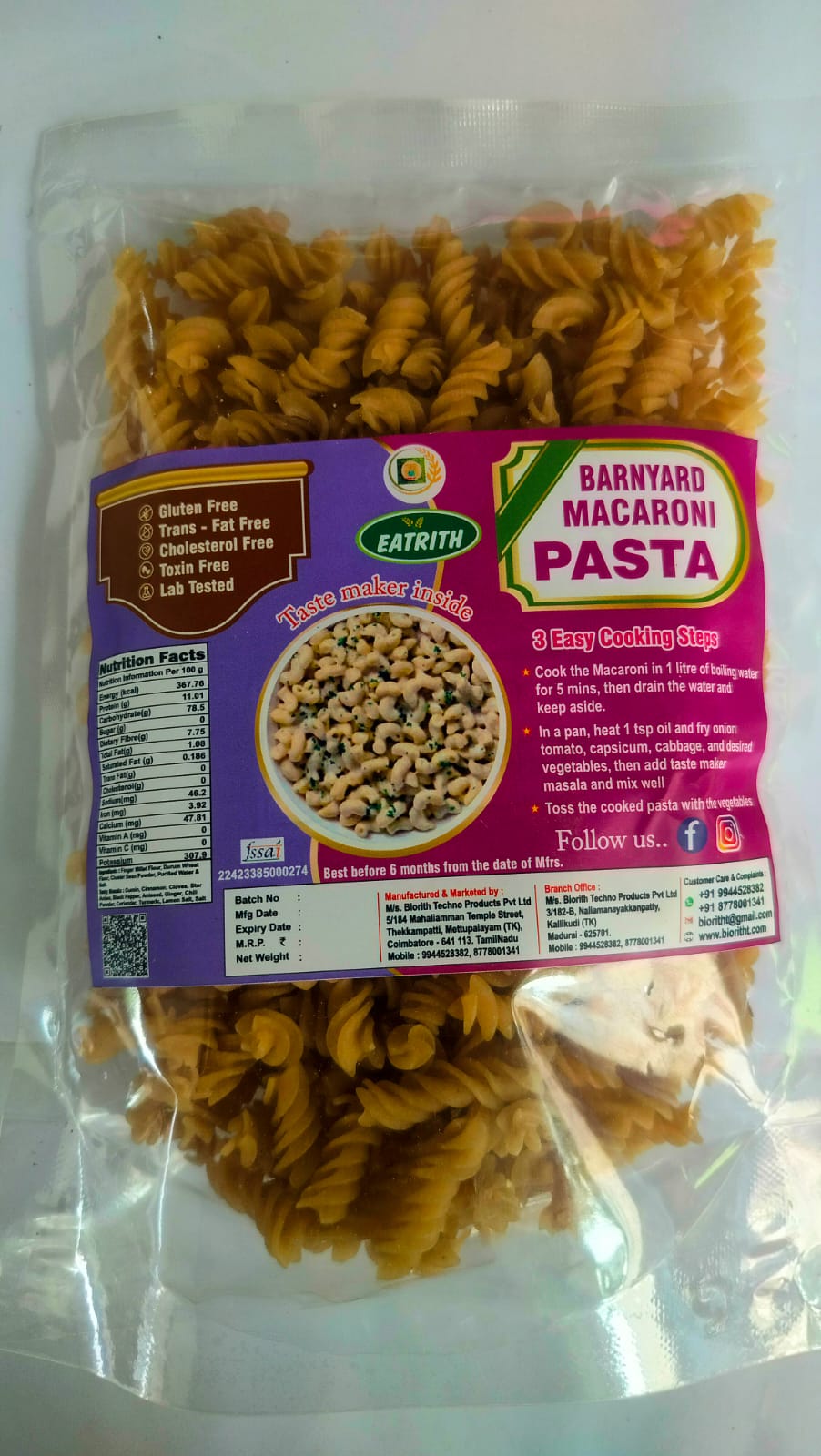
Millet pasta is a type of pasta made primarily from millet flour, which is derived from millet grains. Millet is a gluten-free whole grain that is known for its nutritional benefits, making millet pasta a popular alternative to traditional wheat-based pasta, especially for those with gluten sensitivities or celiac disease.
Key Features of Millet Pasta:
-
Nutritional Benefits: Millet is rich in essential nutrients, including protein, fiber, vitamins (such as B vitamins), and minerals (like magnesium, phosphorus, and iron). It is also a good source of antioxidants, which can contribute to overall health.
-
Gluten-Free: Since millet is naturally gluten-free, millet pasta is an excellent option for individuals who need to avoid gluten in their diets. This makes it suitable for a wide range of dietary preferences and restrictions.
-
Texture and Flavor: Millet pasta typically has a slightly different texture compared to traditional pasta. It may be a bit denser and have a nuttier flavor, which can complement various sauces and ingredients.
-
Cooking and Versatility: Millet pasta can be cooked in a similar manner to regular pasta. It can be boiled and served with a variety of sauces, vegetables, and proteins. It can also be used in salads, casseroles, and soups, making it a versatile ingredient in many dishes.
-
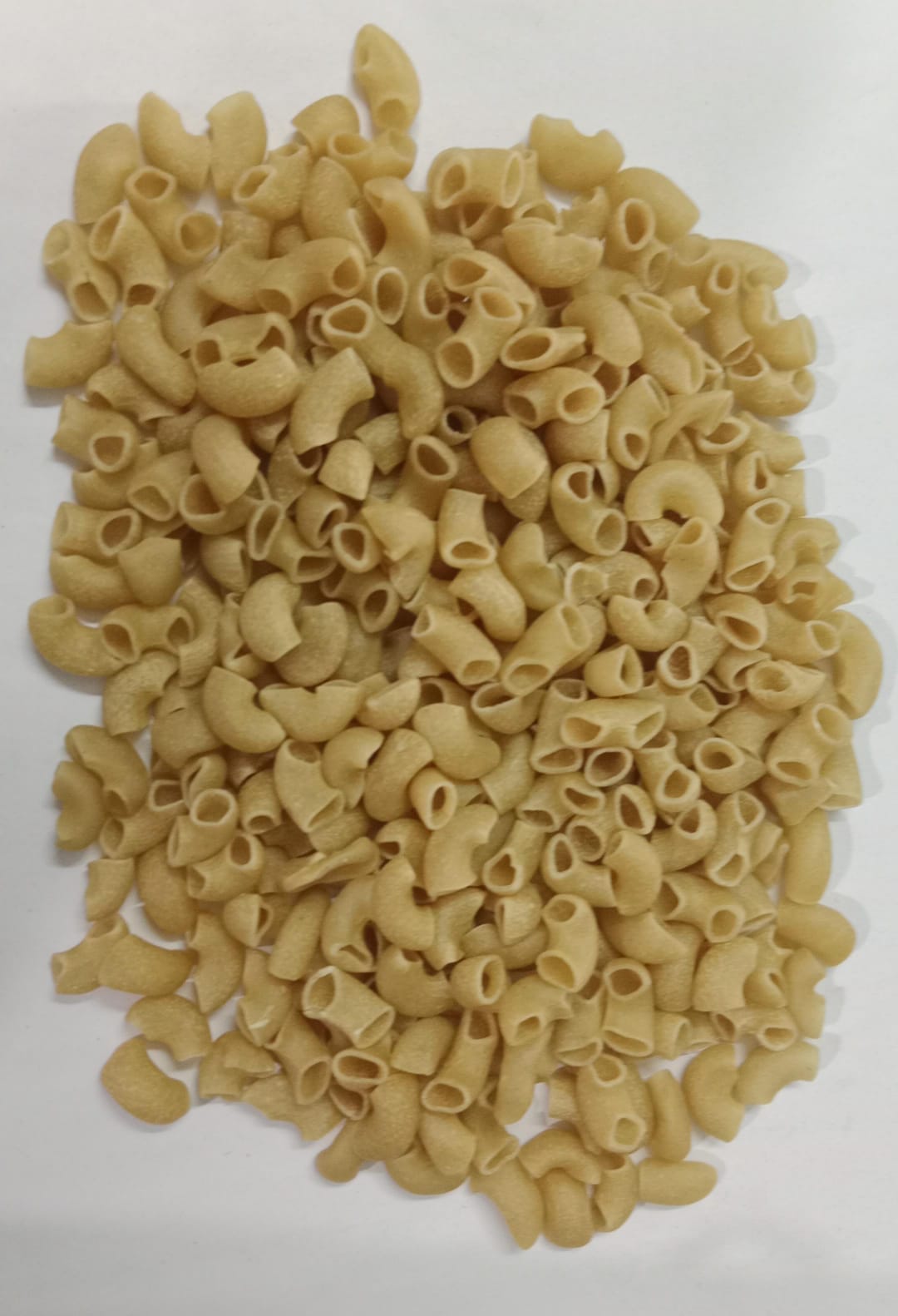
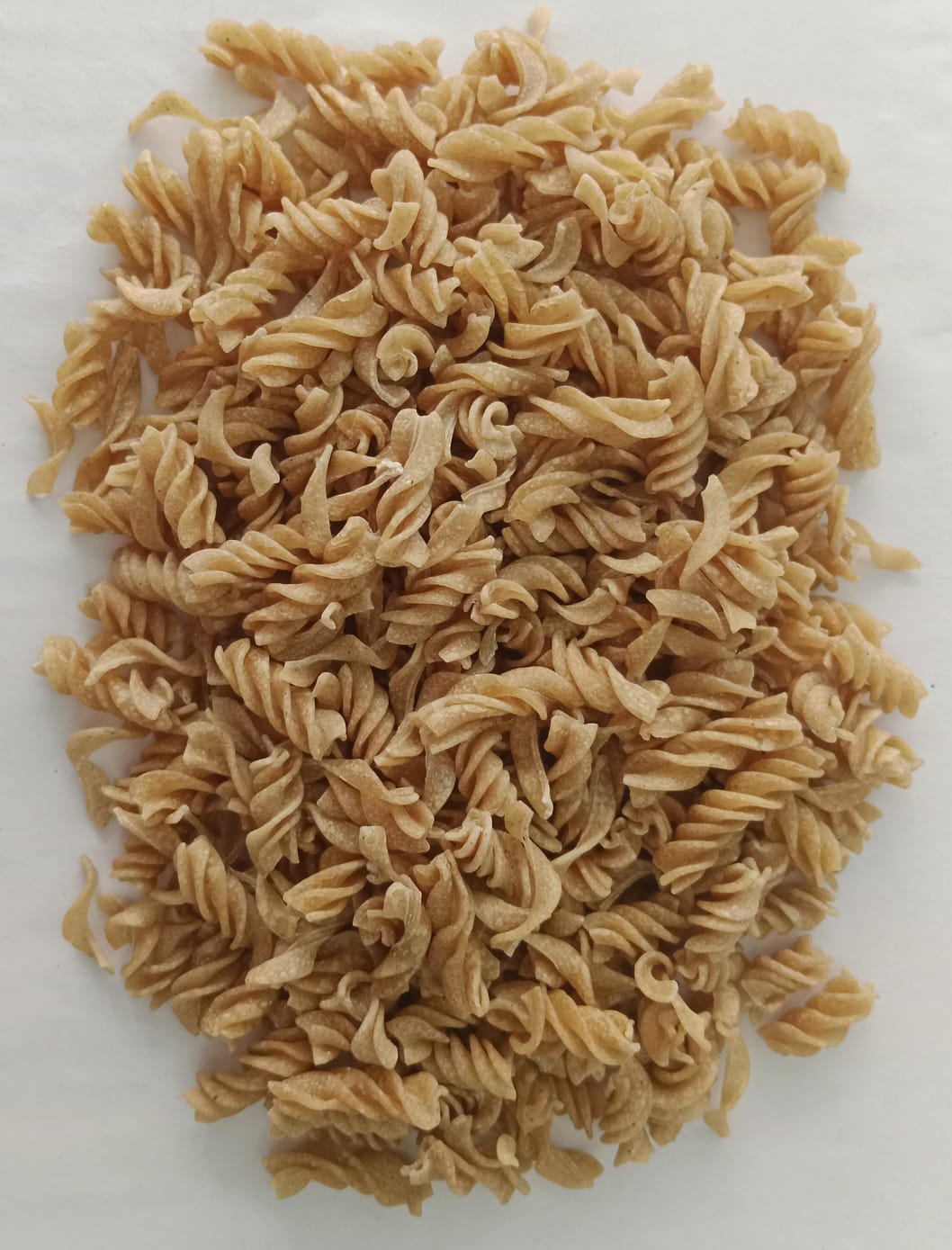
Varieties: Millet pasta comes in various shapes and forms, including spaghetti, penne, fusilli, and more. Some brands may blend millet flour with other gluten-free flours, such as brown rice or quinoa, to enhance texture and flavor.
-
Health Considerations: Millet pasta is often considered a healthier alternative to refined pasta, as it retains more of the grain's natural nutrients. It is also lower in glycemic index compared to some wheat pastas, which can be beneficial for blood sugar management.
Overall, millet pasta is a nutritious and versatile option for those looking to incorporate gluten-free alternatives into their diet while enjoying the familiar experience of pasta dishes.