 Biorith
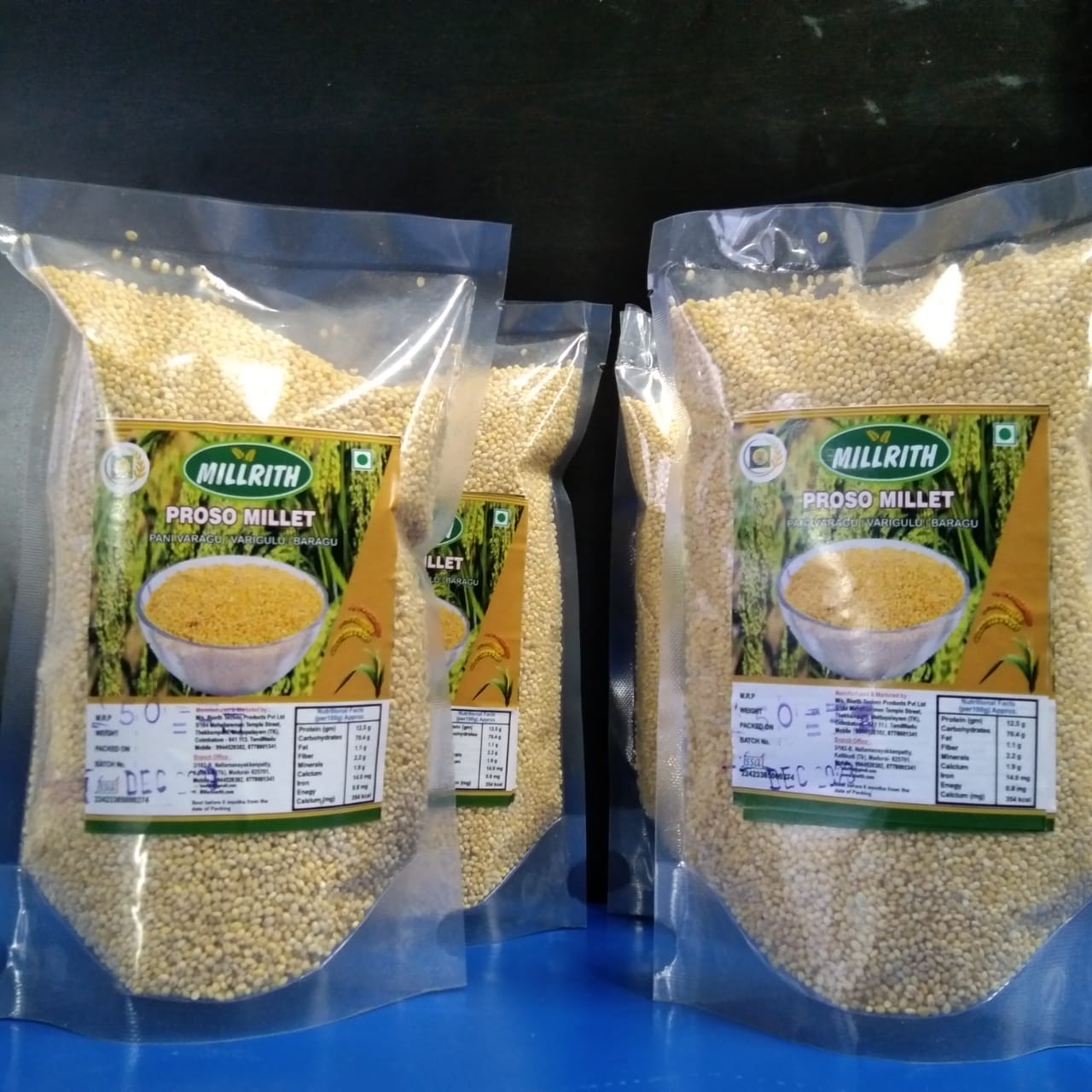
Proso Millet
Proso millet, scientifically known as Panicum miliaceum, is a type of small, round grain that belongs to the millet family. It is one of the oldest cultivated grains and is known for its resilience and adaptability to various growing conditions. Proso millet is commonly grown in many parts of the world, including Asia, Europe, and North America.
Key Features of Proso Millet:
-
Nutritional Profile: Proso millet is highly nutritious, being a good source of protein, dietary fiber, and essential minerals such as magnesium, phosphorus, and iron. It is also rich in B vitamins, particularly niacin and riboflavin.
-
Gluten-Free: Like other millets, proso millet is naturally gluten-free, making it an excellent option for individuals with gluten sensitivities or celiac disease.
-
Culinary Uses: Proso millet can be cooked and consumed in various ways. It can be used as a whole grain in salads, soups, and stews, or ground into flour for baking. It can also be used to make porridge or as a side dish, similar to rice or quinoa.
-
Health Benefits: The high fiber content in proso millet can aid digestion and promote a feeling of fullness, which may help with weight management. Its low glycemic index makes it a suitable choice for those looking to manage blood sugar levels.
-
Growing Conditions: Proso millet is a hardy crop that can thrive in poor soil conditions and requires less water compared to other grains. This makes it a sustainable choice for farmers in arid and semi-arid regions.
-
Cultural Significance: In some cultures, proso millet is a staple food and is used in traditional dishes. It is also used as birdseed in many regions due to its small size and high nutritional value.
-
Environmental Impact: As a drought-resistant crop, proso millet can contribute to sustainable agriculture practices and food security, especially in areas prone to climate variability.
Overall, proso millet is a versatile and nutritious grain that can be incorporated into a variety of dishes, making it a valuable addition to a healthy diet. Its resilience and adaptability also make it an important crop for sustainable agriculture.